
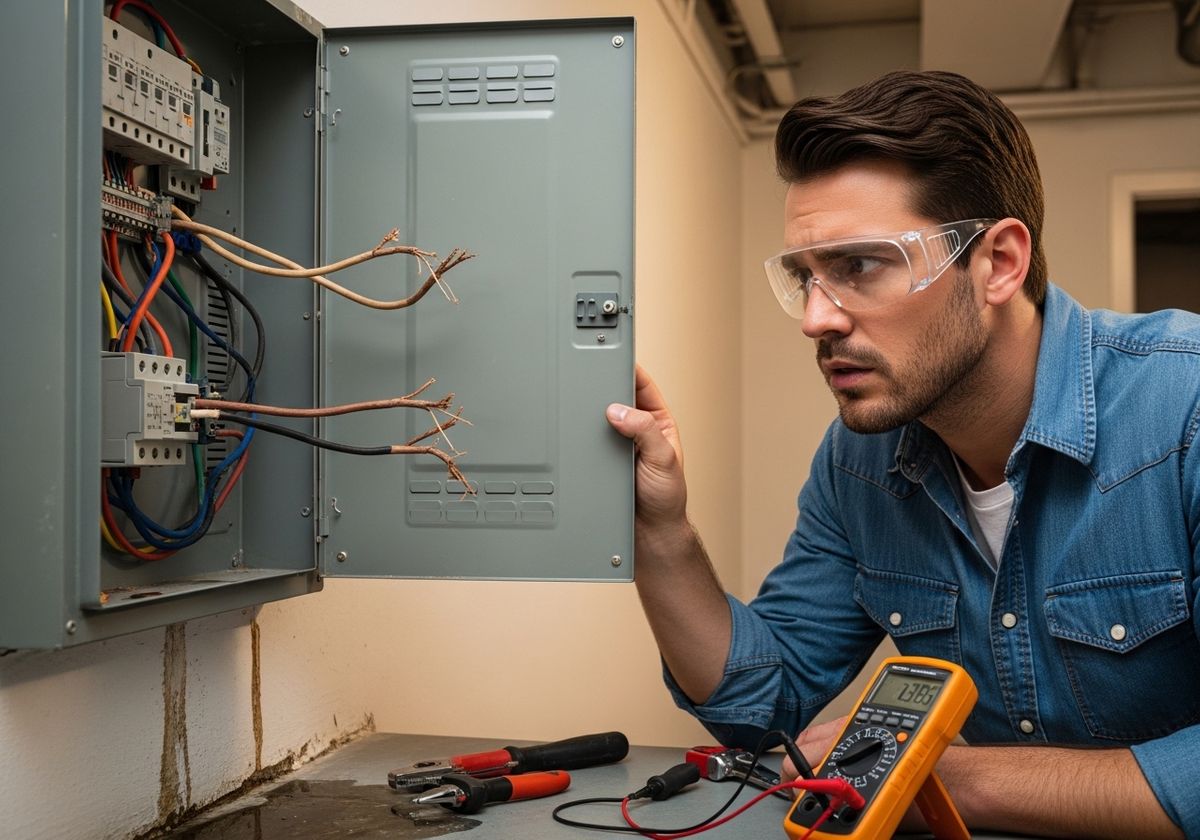
Considering the lifespan and usage of your home's electrical system is crucial for safety and efficiency. Over time, wiring can deteriorate, leading to potential hazards and operational inefficiencies. Knowing when to rewire your home can save you from costly repairs and ensure your family's safety. This guide will help you identify the key signs indicating that it's time to update your home's electrical wiring.
Age of Wiring
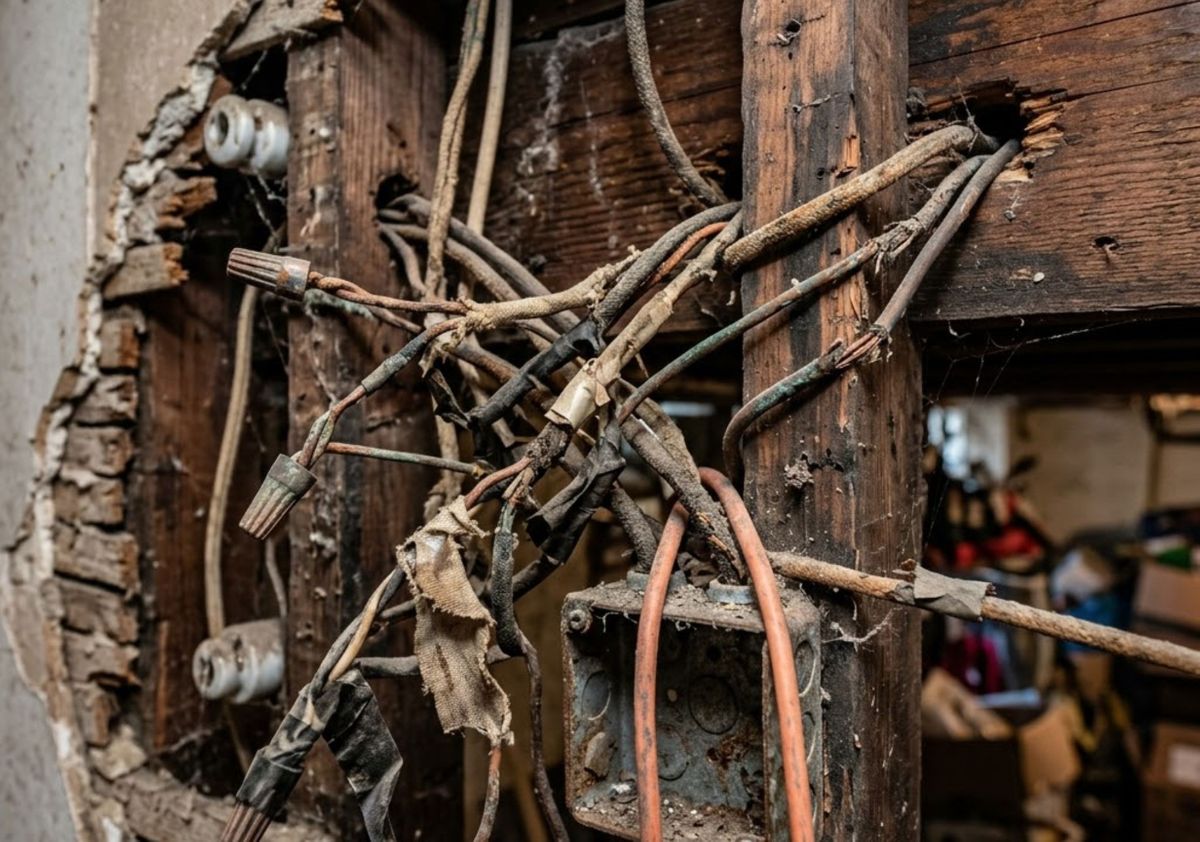
The age of your home's wiring is a primary factor to consider. Homes older than 40 years often have outdated wiring that doesn't meet modern electrical demands. Older wiring materials like knob-and-tube or aluminum wiring are more prone to failure and are not designed to handle the increased electrical load of today's appliances and electronics. If your home still has this type of wiring, it's highly recommended to consult with a local electrician for an upgrade.

Frequent Electrical Issues
One of the most obvious signs that you need to rewire your home is the frequent occurrence of electrical problems. This includes:
Circuit Breaker Tripping: If your circuit breakers trip frequently, it indicates that the circuits are overloaded or there's a fault in the wiring.
Flickering Lights: Lights that flicker or dim unexpectedly can be a sign of loose connections or an overloaded circuit.
Burning Smells: Any burning smell coming from outlets or switches is a serious warning sign that should not be ignored. It could indicate overheating wires or failing insulation.
Outlets and Switches are Warm to the Touch: Outlets and switches should be cool to the touch. If they are warm, this could indicate a problem with the wiring.
If you experience these issues regularly, it’s time to call a Sante Fe electrician to assess your electrical system.
Visible Signs of Damage
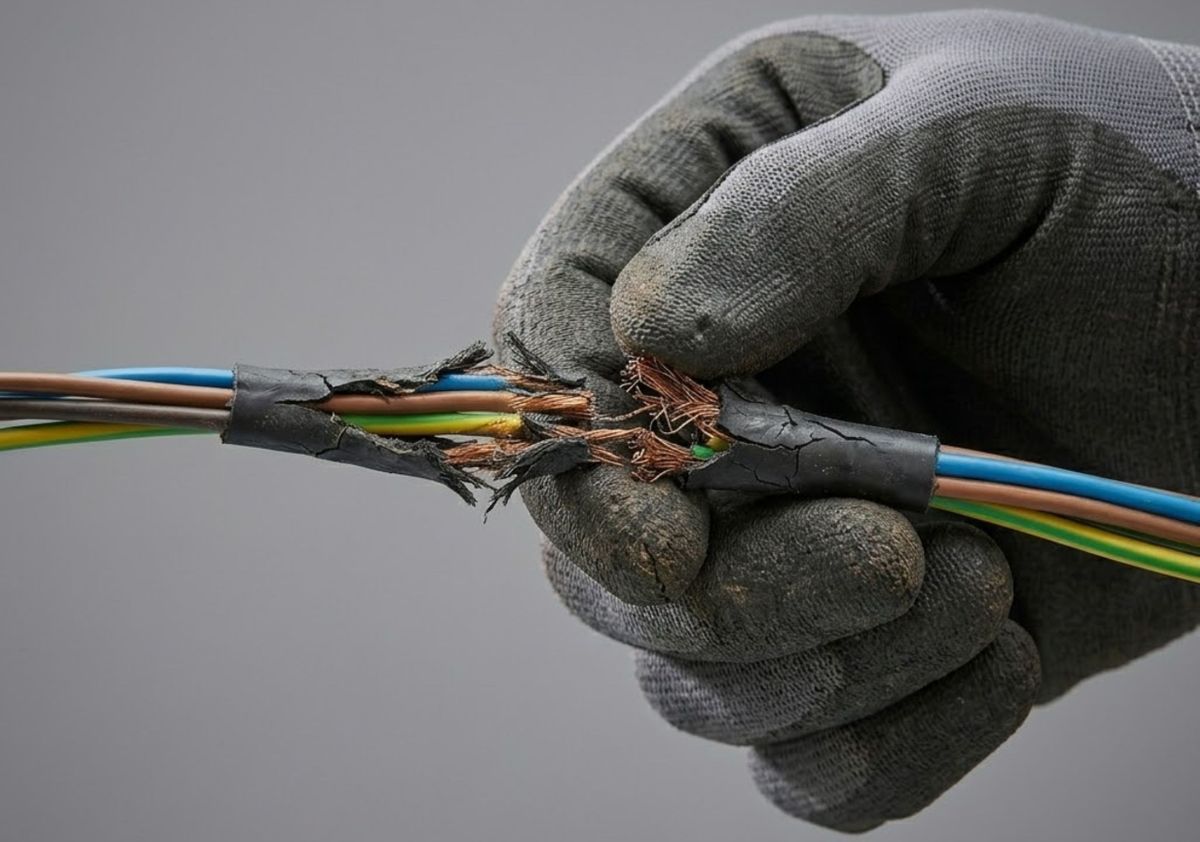
Regularly inspect your home's electrical components for visible signs of damage. Look for:
Cracked or Frayed Wiring: Exposed wires with cracked or frayed insulation are a significant safety hazard.
Damaged Outlets and Switches: Outlets and switches that are discolored, cracked, or broken should be replaced immediately.
Rodent Damage: Check for signs of rodent activity, as rodents can chew through wires and cause significant damage.
Addressing these visible issues promptly can prevent more extensive damage and potential fire hazards.
Increased Electrical Demand
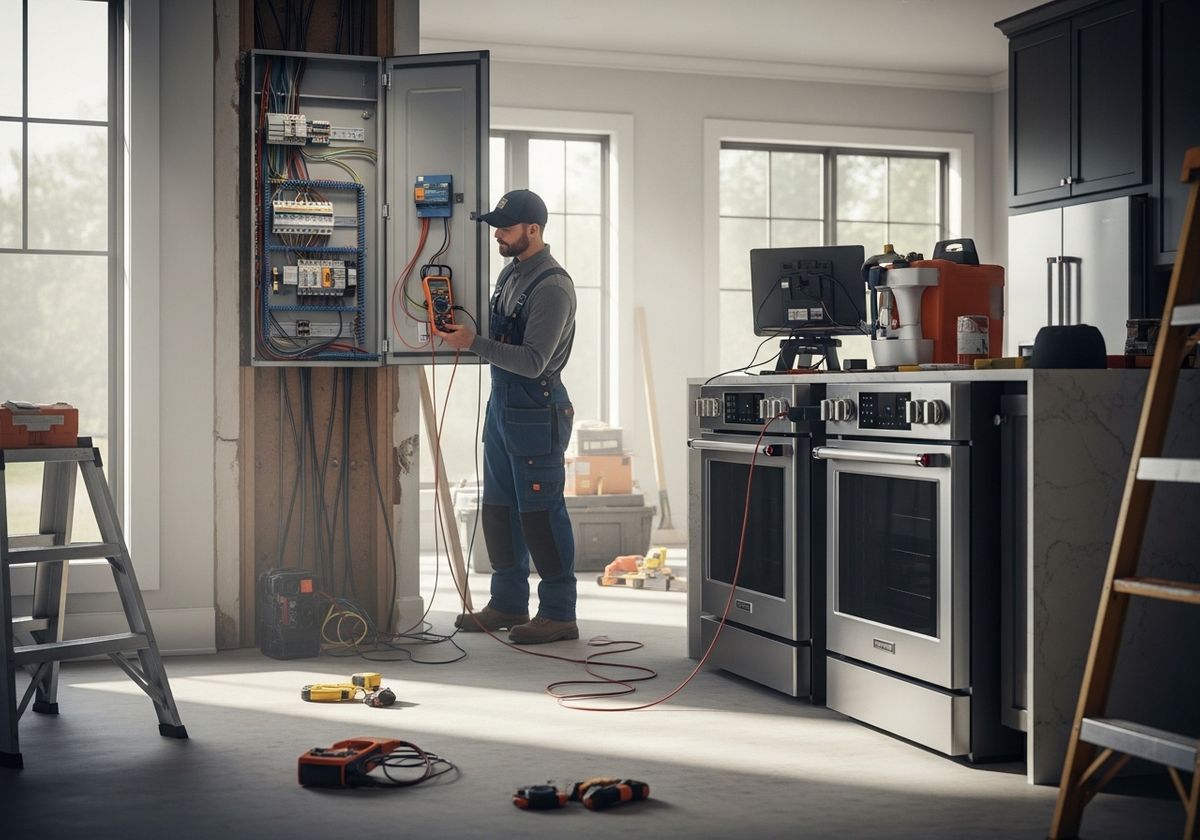
Modern homes have significantly higher electrical demands than older homes. If you've added new appliances, electronics, or home additions, your existing wiring may not be able to handle the increased load. Upgrading your electrical system ensures that it can safely and efficiently power all your devices without overloading the circuits. This is especially important if you're planning any major home renovations that involve adding new electrical circuits or outlets.
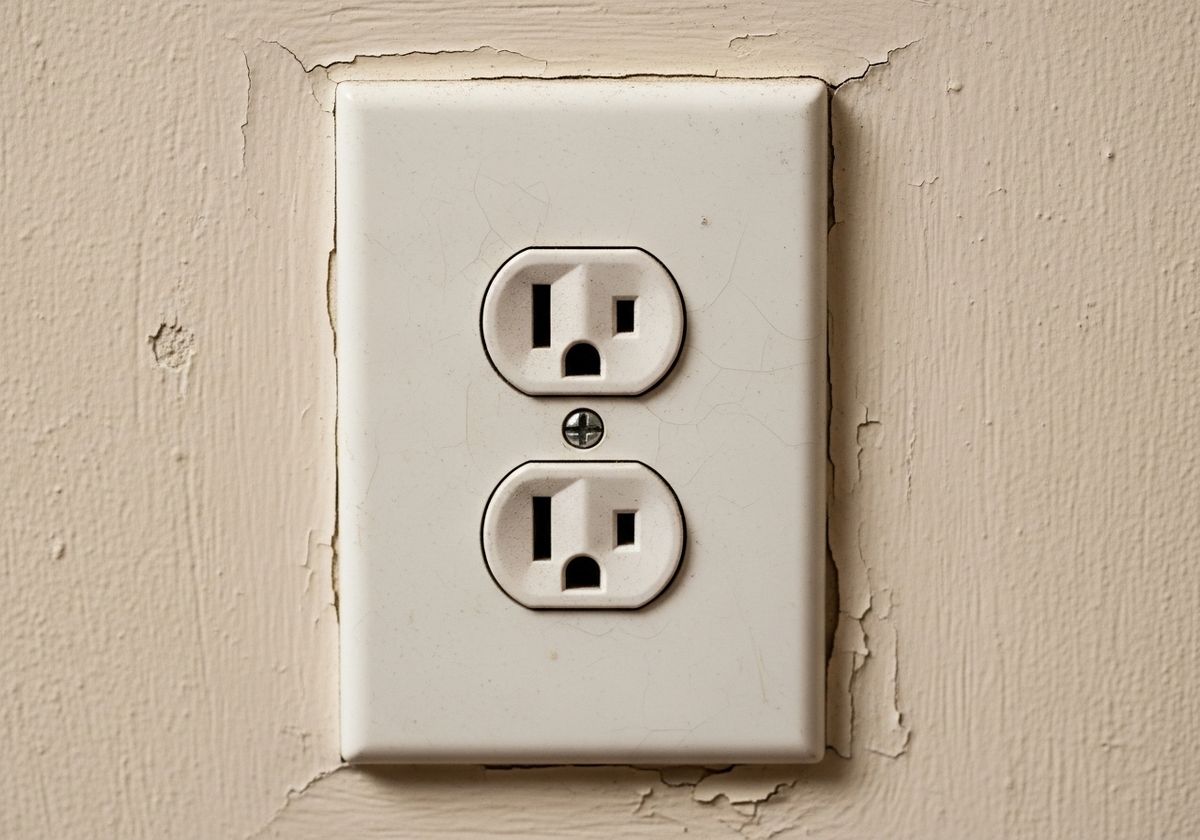
Ungrounded Outlets
Older homes often have ungrounded outlets, which lack a third hole for a ground wire. Ungrounded outlets are less safe because they don't provide a path for stray electricity to safely return to the ground, increasing the risk of electrical shock. Replacing ungrounded outlets with grounded ones or installing GFCI (Ground Fault Circuit Interrupter) outlets can improve safety, but rewiring the entire system is the best solution for comprehensive protection.
Knowing when to rewire your home's electrical system is essential for maintaining a safe and efficient living environment. Keep an eye out for the age of your wiring, frequent electrical issues, visible damage, increased electrical demand, and ungrounded outlets. If you notice any of these signs, it's crucial to consult with a qualified electrical contractor like VDV Electric to assess your system and determine the best course of action. Regular maintenance and timely upgrades can prevent potential hazards and ensure your home's electrical system meets your current and future needs. Contact VDV Electric today for an inspection or to learn more about our services to ensure your home is safe and up to code.